The Issue
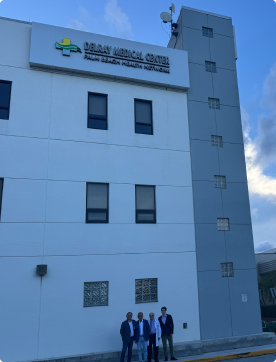
A patient may be marketed to in one place, operated on in another, recover elsewhere, and seek emergency rescue at an unrelated hospital. When patient acquisition, ownership, surgery, postoperative responsibility, reporting, and rescue are separated, the complication may disappear from the originating facility’s ordinary feedback loop—even when the transfer itself was appropriate and lifesaving.
Why it matters
- Fragmented episodes make continuity, denominator-based safety analysis, and regulatory learning harder.
- The receiving hospital may bear the visible clinical and financial burden without controlling the originating care model.
- Reporting gaps can obscure repeated patterns, ownership relationships, and adequacy of postoperative arrangements.
Policy Direction
Recommended action: Adopt a Florida Office-Surgery Continuity and Accountability Standard that links the originating surgeon and facility to defined postoperative duties, bidirectional complication reporting, transparent ownership and control, and risk-appropriate financial responsibility—without delaying emergency rescue or treating every complication as negligence.
- Create bidirectional reporting: the originating practice reports defined events and receiving hospitals report qualifying rescue episodes.
- Require a named postoperative clinician, written escalation pathway, records transfer, and safe handoff before surgery.
- Publish ownership and control information sufficient to link brands, facilities, clinicians, and responsible entities.
- Use risk- and scale-appropriate financial responsibility while protecting emergency transfer and avoiding automatic fault findings.
What the research contributes
The I-95 Complication Corridor is a governance metaphor for episodes that cross markets and institutions. It focuses attention on linkage: whether the clinical event, originating facility, responsible entities, postoperative plan, receiving hospital, and downstream outcome can be reconciled for learning and oversight.
Evidentiary Boundary
The analysis does not establish that office surgery as a category is unsafe, that every complication is preventable or negligent, or that a defined highway corridor has a measured excess complication rate. Denominator-based research and current Florida legal review remain necessary.
Make rescue immediate, reporting nonpunitive, and postoperative responsibility traceable across organizational and geographic boundaries.
Source foundation: The I-95 Complication Corridor (working editorial/policy analysis; final publication citation to be confirmed)
Downloads
I-95 Corridor | Florida Office-Surgery Continuity, Reporting, Ownership, and Rescue Accountability
Emergency departments should rescue the patient. The regulatory system should preserve traceability to the care model that created the postoperative risk.